
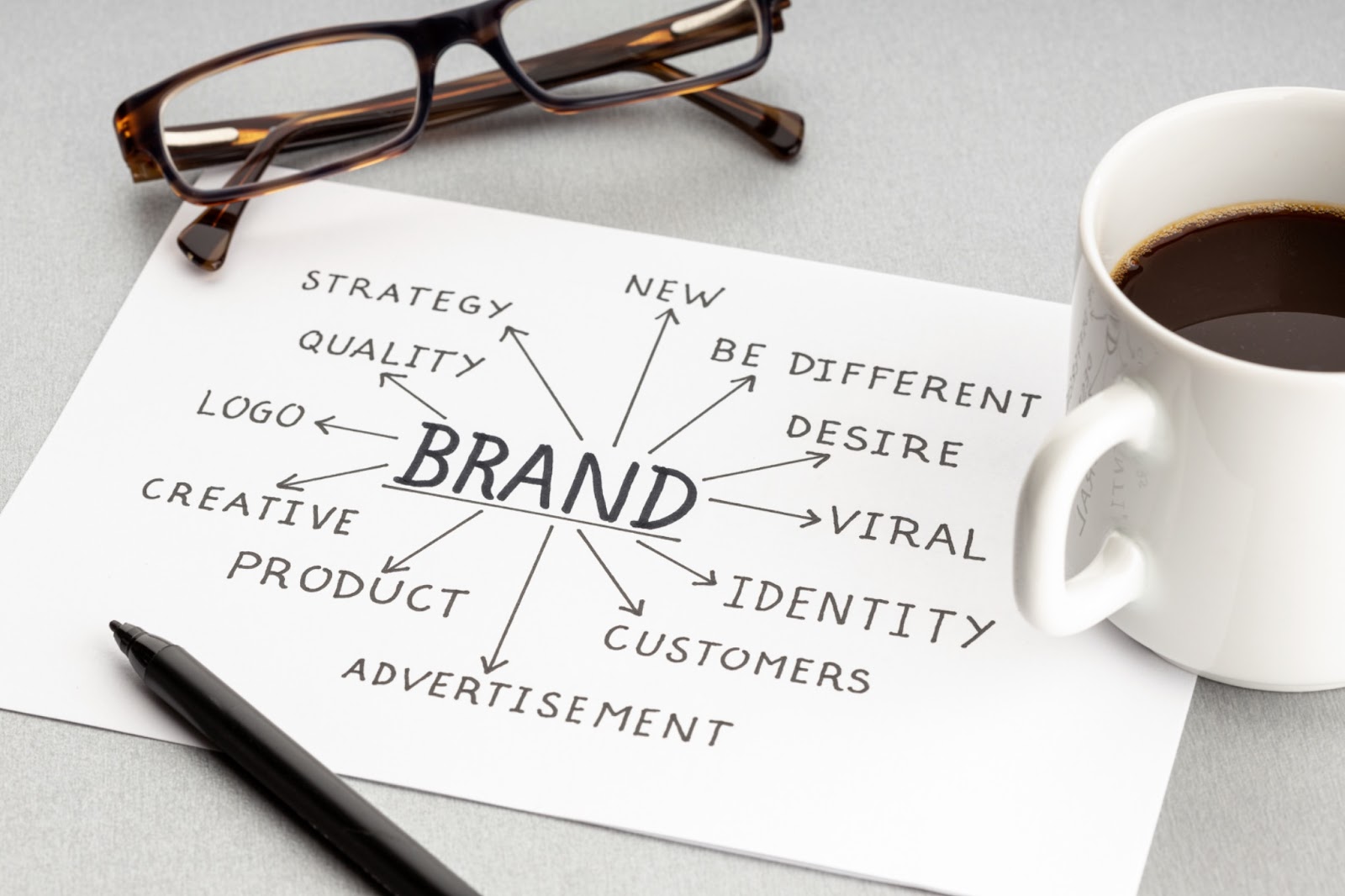
Building a strong brand in Vietnam’s competitive 2026 market requires clarity on mission & values, unique positioning, cultural alignment, consistent visual identity, and data-driven storytelling. Startups that leverage local insights, social media authenticity, and community engagement scale faster. Today’s successful Vietnam startups aren’t competing on price—they’re competing on brand clarity, cultural resonance, and customer trust. CreazionMedia helps Vietnam startups establish market-leading brands that convert customers into advocates and drive sustainable growth.
Table of Contents
1. Why Branding Matters for Vietnam Startups in 2026
2. Define Your Mission, Vision & Core Values
3. Understand Your Vietnamese Target Audience
4. Develop a Unique Brand Proposition
5. Cultural Alignment: The Vietnam Advantage
6. Visual Identity & Brand Guidelines
7. Storytelling That Converts
8. Digital Marketing Integration for Brand Awareness
9. Measuring Brand Success: KPIs That Matter
10. 2026 Update: AI Tools & Digital Branding
11. FAQ
12. Conclusion & CTA
Introduction
Vietnam’s startup ecosystem is booming. With over 4,500 active startups in 2026 and a consumer market worth $320+ billion, the opportunity is massive. But so is the competition. The difference between a startup that scales and one that stalls often comes down to one thing: brand strength.
A strong brand isn’t just a logo or a tagline. It’s the promise you make to customers, the trust you build, and the reason they choose you over competitors. For Vietnam startups, building that brand requires understanding local culture, leveraging digital channels, and executing with precision.
This 2026 guide reveals proven branding strategies tailored for Vietnamese startups, combining local market insights with global best practices. We’ll walk through the complete branding framework, from foundational elements like mission and values through to measurement and optimization.
Why Branding Matters for Vietnam Startups in 2026
Vietnam’s consumer market is increasingly sophisticated. Middle-class consumers (now 40% of population) demand authenticity, quality, and alignment with their values. A startup without a clear brand identity gets lost in noise and competes primarily on price—a losing battle against better-funded competitors.
Key stats for 2026:
• 87% of Vietnamese consumers prefer brands aligned with their values
• 75% discover new brands via social media & peer recommendations
• Startups with strong branding raise 40% more funding than generic alternatives
• 92% of consumers trust peer recommendations over advertising
• Brands with clear positioning capture 3x market share of generic competitors
A clear, compelling brand helps startups attract customers, talent, and investment capital faster. More importantly, it creates customer loyalty that transcends price competition, enabling better margins and sustainable growth. This is no longer optional—it’s existential for Vietnam startups trying to scale in 2026.
Define Your Mission, Vision & Core Values
Before any brand strategy, clarify the ‘why’ behind your startup.
Mission Statement: Describe what your startup does and why it exists. This should be motivational and purpose-driven. Example: ‘We empower Vietnamese small businesses to reach customers online through affordable, easy-to-use tools.’ A strong mission statement should be specific enough to guide decisions but broad enough to allow growth.
Vision Statement: Paint a picture of your future impact. What does success look like in 10 years? Example: ‘To make digital commerce accessible to every Vietnamese entrepreneur, creating opportunities for 1M+ small business owners.’ Your vision becomes the north star for all strategic decisions.
Core Values: List 3-5 principles guiding every decision. Examples for Vietnam startups: Innovation (stay ahead), Integrity (earn trust), Community (lift others up), Sustainability (long-term thinking). These aren’t corporate fluff—they’re filters for every decision your startup makes. When choosing partnerships, pricing, hiring, product features—your values guide the choice.
Implementation: Write these down. Share them with your team. Reference them in meetings. Update them as you learn. They should evolve as your startup matures, but they should never feel generic.
Understand Your Vietnamese Target Audience
Vietnam isn’t one market—it’s dozens. Urban millennials in Ho Chi Minh City (HCMC) have vastly different needs, media consumption, and purchasing behaviors compared to consumers in rural provinces or Da Nang. Smart startups segment their market before building brand messaging.
Conduct market research to identify your ideal customer:
• Demographics: Age, income, education level, location (urban/rural), occupation
• Psychographics: Values, aspirations, pain points, lifestyle preferences, cultural identity
• Media habits: TikTok dominates youth (18-35), Facebook still strong with 35+, YouTube emerging for educational content, local platforms like Zalo for community
• Purchase behaviors: E-commerce adoption rates, payment preferences (70% still use COD), price sensitivity, brand loyalty patterns
• Cultural triggers: What resonates? Family values, opportunity, tradition, innovation, sustainability, local pride
Use multiple research methods: surveys (Google Forms, Typeform), focus groups, social media listening (Hootsuite, Brandwatch), competitor analysis, customer interviews. Digital Marketing Strategies for Vietnam provides deeper audience research frameworks.
Tip: Create detailed customer personas for 2-3 target segments. Use these personas in all brand decisions—copywriting, visual design, product development, marketing channel selection.
Develop a Unique Brand Proposition
Your brand proposition answers: ‘Why should customers choose us?’ It must be unique, credible, and relevant to your target audience.
Steps to craft your proposition:
1. List what your startup does better than competitors (your strengths)
2. Identify gaps in the market competitors miss (market opportunity)
3. Connect your strengths to customer desires (relevance)
4. Articulate clearly in 1-2 sentences (simplicity)
Example: ‘We provide Vietnamese D2C brands with AI-powered analytics that increase sales by 35% within 90 days—at 1/3 the cost of international agencies.’ This works because it: states the benefit (increase sales 35%), quantifies the timeline (90 days), defines the customer (D2C brands), and differentiates by value (1/3 cost).
Your proposition becomes the core of all messaging—website homepage, pitch deck, social media bio, job postings, press releases. Every stakeholder should be able to articulate it within two sentences. This clarity builds brand recognition and attracts the right customers.
Testing: Share your proposition with 10 target customers. Does it resonate? Do they understand it? Would they recommend you based on this? Iterate until yes.
Cultural Alignment: The Vietnam Advantage
Brands that succeed in Vietnam respect and integrate local culture authentically. This doesn’t mean copying traditions superficially—it means deep alignment with Vietnamese values and identity.
Tactics:
• Use Vietnamese language naturally: Avoid forced translations. Hire Vietnamese copywriters who understand dialects and regional nuances. A tagline that works in HCMC might miss in Hanoi.
• Reference local holidays and values: Tet marketing, Mid-Autumn Festival campaigns, National Day positioning. But do it authentically—not as an afterthought.
• Partner with local influencers: Mega-influencers have reach; micro-influencers (100K-1M followers) have trust. Vietnamese creators understand local culture better than foreign influencers.
• Show respect for Vietnamese heritage: This applies to visual identity (colors, symbols, design), product sourcing (prioritize Vietnamese materials), and storytelling (feature Vietnamese creators, artisans, communities).
• Support local communities: CSR initiatives matter. Vietnamese consumers increasingly support brands that give back locally.
Counterexample: Foreign brands that ignore cultural nuance fail. Your advantage as a Vietnam startup is cultural insider knowledge—you grew up here, you understand the nuances, you live the values. Use it.
How to Build a Strong Brand in Vietnam shares detailed case studies of brands winning through cultural alignment.
Visual Identity & Brand Guidelines
Visual identity is how customers recognize you instantly.
Essentials for Vietnam startups:
• Logo: Simple, memorable, scalable to any size (works as favicon, app icon, billboard). Research color psychology for Vietnam—red signals luck/prosperity, green signals growth/nature, blue signals trust.
• Color palette: 2-3 primary colors + neutrals. Ensure accessibility (colorblind-friendly). Test across platforms—colors appear differently on print vs. screen vs. phone.
• Typography: Consistent fonts for headers and body text. Ensure Vietnamese characters display properly. Test with actual Vietnamese words.
• Imagery style: Photography or illustration style reflecting brand personality. Authentic vs. aspirational? Local vs. global? Vibrant vs. minimalist?
• Voice & tone: How you communicate. Professional? Casual? Inspiring? Educational? Define this in a style guide and apply consistently across all channels.
Documentation matters. Create a 10-15 page brand guide covering all elements. This ensures consistency across website, social media, packaging, customer service, and every touchpoint.
Consistency builds recognition. Recognition builds trust. Trust builds customers. The investment in visual identity pays dividends through increased brand recognition and customer loyalty.
Budget: $3,000-$8,000 for professional logo design + brand guidelines. DIY alternatives (Canva, Looka) cost $100-$500 but lack customization.
Storytelling That Converts
Vietnamese consumers connect emotionally. They buy stories, not features.
Craft narratives that:
• Highlight your founder’s journey: Why did you start? What problem frustrated you? What personal experience shaped this? Authentic founder stories resonate more than corporate missions.
• Show customer transformation: Before/after stories. Real customer testimonials. How did your product change someone’s life/business/income?
• Demonstrate impact: Jobs created, communities helped, problems solved. Vietnamese consumers (especially Gen Z) increasingly support mission-driven brands.
• Use authentic customer voices: Real testimonials from real customers (with permission). Video testimonials more effective than text. Include diverse customer types.
Share these stories across content marketing (blog posts, whitepapers), social media (Instagram Stories, TikTok, YouTube), PR (press releases, media interviews), and customer communications (email, product onboarding).
Data shows: Brands with consistent storytelling see 3x higher engagement, 2x higher conversion rates, and 40% better customer retention.
Content Marketing for Vietnam Brands explores storytelling frameworks and distribution strategies in depth.
Tip: Create a content calendar focusing on one customer story per month. Film it, write it, animate it, repurpose it across 5+ channels. One story becomes 20+ pieces of content.
Digital Marketing Integration for Brand Awareness
Strong branding requires integrated digital marketing. You can’t build brand recognition through one channel—you need presence across multiple touchpoints where your target audience spends time.
Channel strategy for Vietnam:
• TikTok: Reach Gen Z (18-35). Short-form video content. Trends move fast. Authenticity beats production quality.
• Instagram: Visual storytelling, community building, affiliate partnerships. 35-55 age demographic strong.
• Facebook: Community groups, community management, customer engagement. Still largest platform by daily active users.
• YouTube: Educational content, founder interviews, product demonstrations. Emerging for Vietnamese audiences seeking tutorials and inspiration.
• LinkedIn: B2B positioning, thought leadership, recruiting. Growing among professionals.
Content pillars for brand awareness:
1. Educational: Help your audience solve problems (20%)
2. Entertaining: Make them smile/laugh (30%)
3. Promotional: Share product updates, offers (30%)
4. Community: Celebrate customers, build community (20%)
Frequency matters: Post 3-4 times per week minimum to stay visible. Consistency beats occasional viral moments. Respond to comments within 24 hours. Build relationships, not just audiences.
Measurement: Track engagement rate, reach, follower growth, website traffic from social, and ultimately—customer acquisitions from each channel. Optimize toward your highest-ROI channels.
Measuring Brand Success: KPIs That Matter
You can’t improve what you don’t measure. Track these brand KPIs quarterly:
• Brand Awareness: Aided/unaided recall surveys, social media mentions, search volume for your brand name
• Brand Preference: Surveys asking customers to compare you vs. competitors, preference scores
• Customer Loyalty: Repeat purchase rate, Net Promoter Score (NPS), customer lifetime value
• Brand Equity: Overall brand value surveys, willingness-to-pay premium, brand valuation estimates
• Digital Metrics: Website traffic, social media followers, email subscribers, community size
• Sentiment: Social media sentiment analysis, customer reviews/ratings, media coverage tone
Tools:
• Surveys: Google Forms, Typeform, SurveyMonkey for quick research
• Analytics: Google Analytics for website, social media native analytics, Mixpanel for product analytics
• Monitoring: Brandwatch, Semrush, or Google Alerts for mentions and sentiment
Set baseline metrics today (month 1). Review quarterly. Compare to competitors. Aim for: 20% brand awareness growth quarterly, NPS 50+, repeat purchase rate 40%+.
Use data to optimize: If brand awareness is growing but preference isn’t, your messaging might need refinement. If loyalty is low, your product or customer experience needs work.
2026 Update: AI Tools & Digital Branding Strategy
The branding landscape shifted dramatically in 2026. AI tools now accelerate brand building:
• ChatGPT & Claude for copywriting, messaging refinement, SEO optimization, competitive analysis
• Canva AI for rapid design iteration, generating multiple visual variations, A/B testing designs
• Jasper & Copy.ai for automated social media content creation, email copywriting, landing page optimization
• Brand monitoring AI (Brandwatch, Sprout Social) track reputation and perception shifts in real-time
• Predictive analytics reveal which brand messages and visuals resonate before launch
Workflow example: Use ChatGPT to generate 20 brand proposition options. Test top 5 with customers. Refine. Use Canva AI to create visual variations. Test with target audience. Launch winning combination.
However, AI is a tool, not strategy. Human insight—especially cultural understanding of Vietnam—remains irreplaceable. AI can speed up execution, but it can’t replace strategic thinking.
Trend 2026: Vietnam startups using AI-assisted branding (faster iteration, data insights) + human-centered storytelling (authenticity, cultural nuance) are winning market share fastest. Pure AI-generated content feels generic. Pure intuition moves slowly. The combination wins.
Implementation: Start with 1-2 AI tools. Build workflows. Measure results. Scale. Don’t try to use every AI tool—focus on tools that directly impact your bottleneck (content creation? design? copywriting?).
FAQ
Frequently Asked Questions
Quick answers to common questions related to branding strategy
How long does it take to build a brand for a Vietnam startup?
Foundation branding (mission, values, proposition, initial visual identity) takes 4-8 weeks. Full brand launch (website, content, social media profiles, initial campaigns) takes 3-4 months. Brand maturity (awareness, preference, loyalty, market position) builds over 12-24 months. However, you should start earning revenue within 3 months—branding accelerates this but doesn’t replace product-market fit.
What’s the minimum budget for branding a Vietnam startup?
DIY branding using tools like Canva, Looka, WordPress: $2,000-$5,000. Professional agency for strategy + basic execution: $10,000-$25,000. Full-service branding agency (strategy + design + marketing): $25,000+. CreazionMedia offers scalable branding packages starting at $8,000, tailored for Vietnam startups.
Should my brand be global or Vietnam-focused?
Start locally. Build market dominance in Vietnam first (2-3 years), then expand to Southeast Asia (Thailand, Philippines, Vietnam). This builds brand equity faster and gives you authentic local credentials competitors can’t replicate. Global aspirations are fine—but Vietnam mastery comes first.
How do I measure brand strength?
Track brand awareness (% of target audience that knows your brand), brand preference (% who prefer you vs. competitors), customer loyalty (repeat purchase rate, NPS), and brand equity (brand value, willingness to pay premium). Start with simple quarterly surveys. As you scale, invest in professional brand tracking.
How important is branding if I’m bootstrapped with limited budget?
Critical. Bootstrapped startups with strong brands raise 40% more funding when they seek it. More importantly, strong branding enables premium positioning and better margins—allowing you to achieve profitability faster on limited budgets. Clear branding is actually a bootstrapped startup’s superpower.
Conclusion & CTA
Branding is not optional for Vietnam startups in 2026—it’s essential. A clear mission, unique proposition, cultural alignment, consistent identity, and authentic storytelling separate winners from the crowd.
The startups scaling fastest aren’t just building products. They’re building movements. They’re earning customers’ loyalty by being crystal clear about who they are, what they stand for, and how they serve their community.
You now have the complete playbook. Mission and values. Target audience understanding. Unique proposition. Cultural alignment. Visual identity. Storytelling. Digital marketing integration. Measurement frameworks. AI-assisted execution.
The last step? Execution. Pick one element. Start this week. Build momentum. The brands that dominate Vietnam’s market in 3 years are starting their branding journey today.
If you’re ready to build a brand that converts and scales, we’re here to help.
Book a free brand audit at creazionmedia.com. Our Vietnam branding strategists will assess your current brand position, identify competitive gaps, and show you the exact roadmap to brand dominance in Vietnam. We’ll help you turn your startup idea into a market-leading brand.
Your 2026 brand success starts today. Contact CreazionMedia now.